
By Gareth Hughes, CEO of Green Gold Forestry
The long-term conservation of the Amazon is as much an economic challenge as it is an environmental one. If we are to protect tropical forests for future generations, we must develop economic models in which the sustainable management of forest resources and ecosystem services generates greater long-term value than their degradation or destruction.
This principle has been central to the transformation of Green Gold Forestry (GGF) since 2020, when we repositioned our business towards the integrated management of forest resources and ecosystem services.
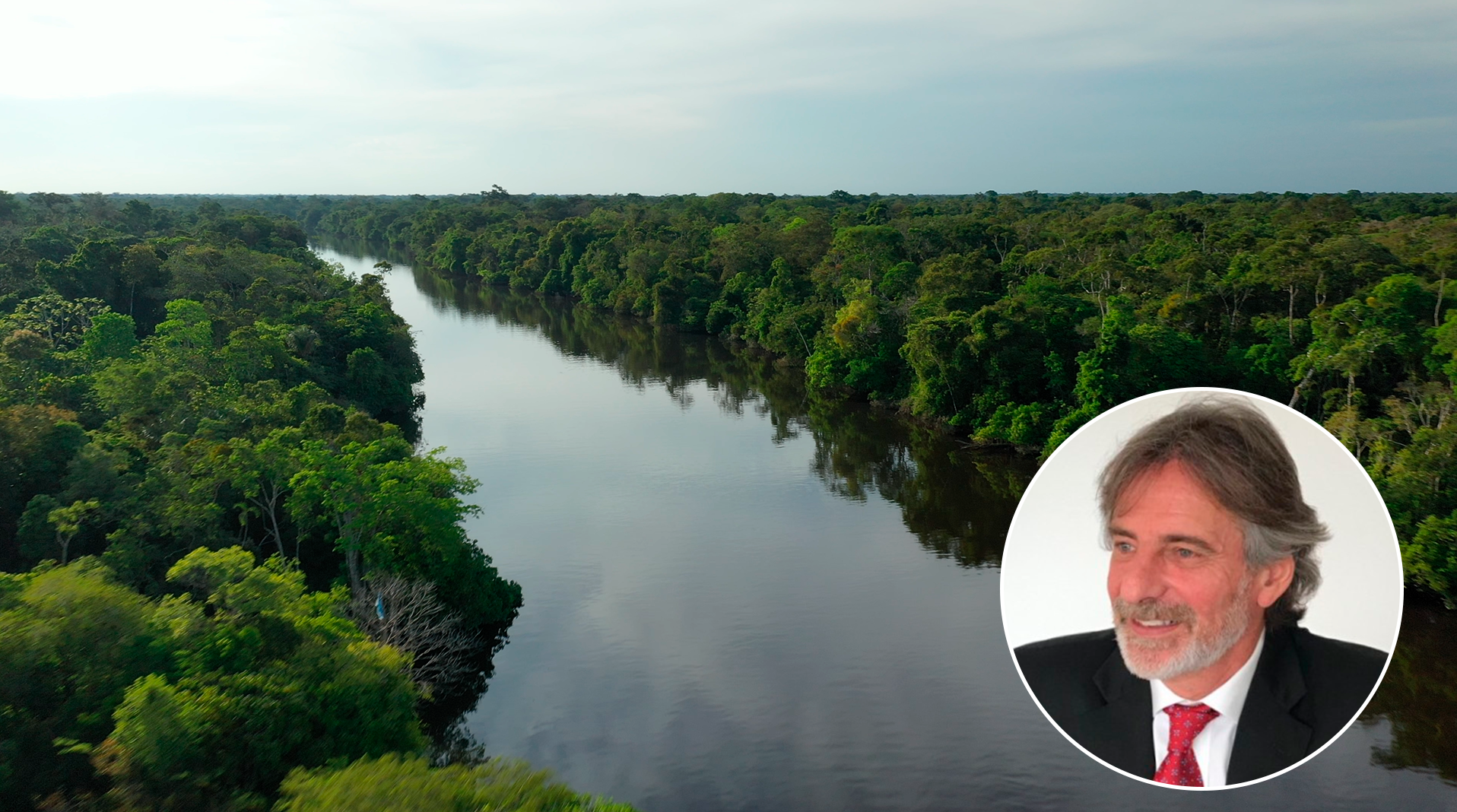
Our operations are centered around the Napo River in northeastern Peru, where GGF has maintained an operational presence for nearly 20 years and currently manages approximately 394,875 hectares of forestry concessions.
Rather than depending solely on timber extraction, our objective is to demonstrate that the ecological and productive capacity of a standing forest can provide the foundation for a commercially viable, diversified, and sustainable business.
Conservation, in this context, is not a passive activity. It requires investment, innovation, professional management, and a long-term commitment to generating economic value without compromising the ecological integrity of the forest.
Looking beyond carbon
Carbon finance has provided the economic foundation for this transformation. We have implemented two carbon projects, which will remain our core business over the medium term.
However, whilst carbon markets are an important mechanism for financing conservation, we recognized from the outset that long-term sustainability requires multiple revenue streams. Carbon projects have finite lifespans, whereas our commitment to the forest extends well beyond those time horizons.
The strategic question, therefore, is how to develop complementary economic activities that generate the resources required to sustain forest conservation for generations to come.
This has led us towards bioeconomy, initially focusing on non-timber forest products.
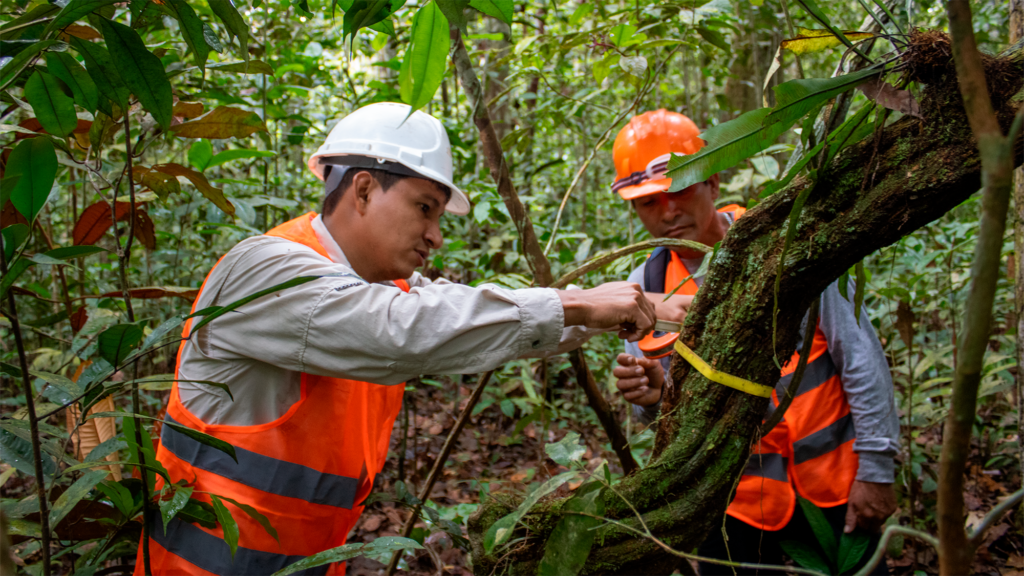
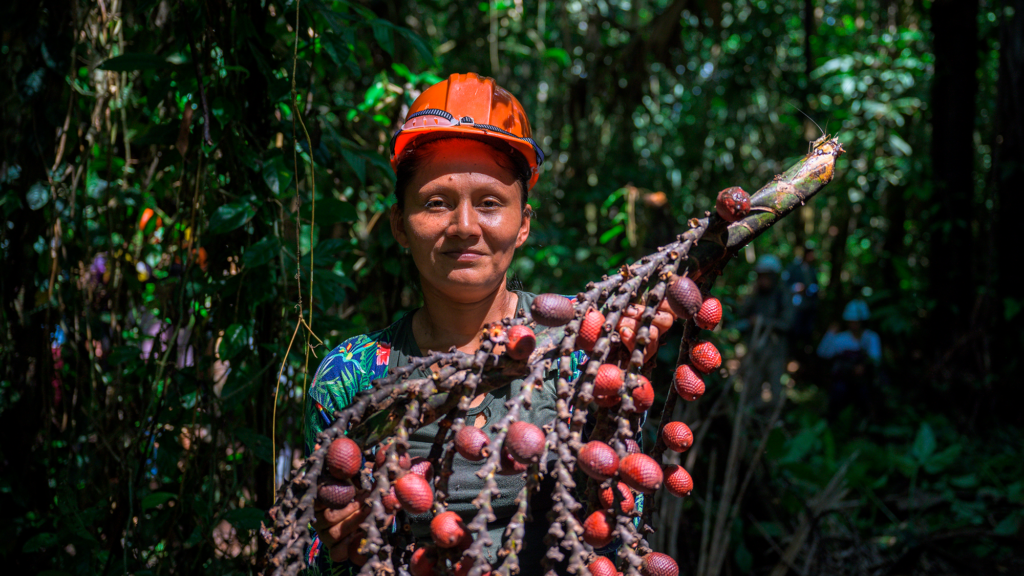
Our research identified 26 products within our concessions with commercial potential. From these, we prioritized two palm fruits, aguaje (Mauritia flexuosa) and açaí (Euterpe oleracea), principally because of their abundance in our areas.
The presence of a natural resource, however, does not in itself constitute a business opportunity. Each opportunity must be evaluated against commercial and environmental criteria, including sustainable harvesting, market demand, logistics, processing costs and opportunities to add value. Wherever possible, we validate these assumptions through pilot projects before committing significant capital.
This commercial discipline is fundamental. Whilst grants and philanthropic capital can play an important role, long-term conservation requires economic models capable of generating their own financial resources.
Following this evaluation process, GGF is establishing a solar-powered processing facility within the forest. It is expected to generate approximately 30 direct processing jobs and a further 60 employment opportunities associated with harvesting. The facility will also provide valuable operational experience for developing other forest-based enterprises.
Building a sustainable economy along the Napo
Our vision extends beyond commercial activities within GGF’s concessions. We see considerable potential for a more diversified, inclusive, and environmentally sustainable economy along the Napo River.
Technological developments are changing the economics of operating in remote Amazonian areas. Improvements in renewable energy and digital connectivity are helping overcome traditional barriers to investment, local industrial development, and market access.
One of the greatest opportunities lies in retaining more of the value chain within the region.
Selling unprocessed forest products captures only a limited proportion of their potential value. Processing palm fruits into oils for the international cosmetics industry, for example, creates a different economic proposition, generating more value locally, creating skilled employment, and strengthening the rationale for sustainable forest management.
GGF is well positioned to contribute. Our established presence, infrastructure, logistics, and knowledge of the region provide a platform for evaluating and developing opportunities efficiently. We therefore see our contribution to the regional bioeconomy as twofold: establishing viable businesses within our concessions and facilitating the development of independent enterprises by neighbouring communities and local entrepreneurs.
Creating opportunities with communities
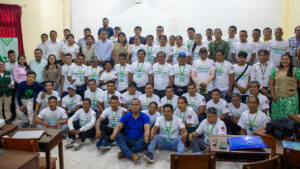
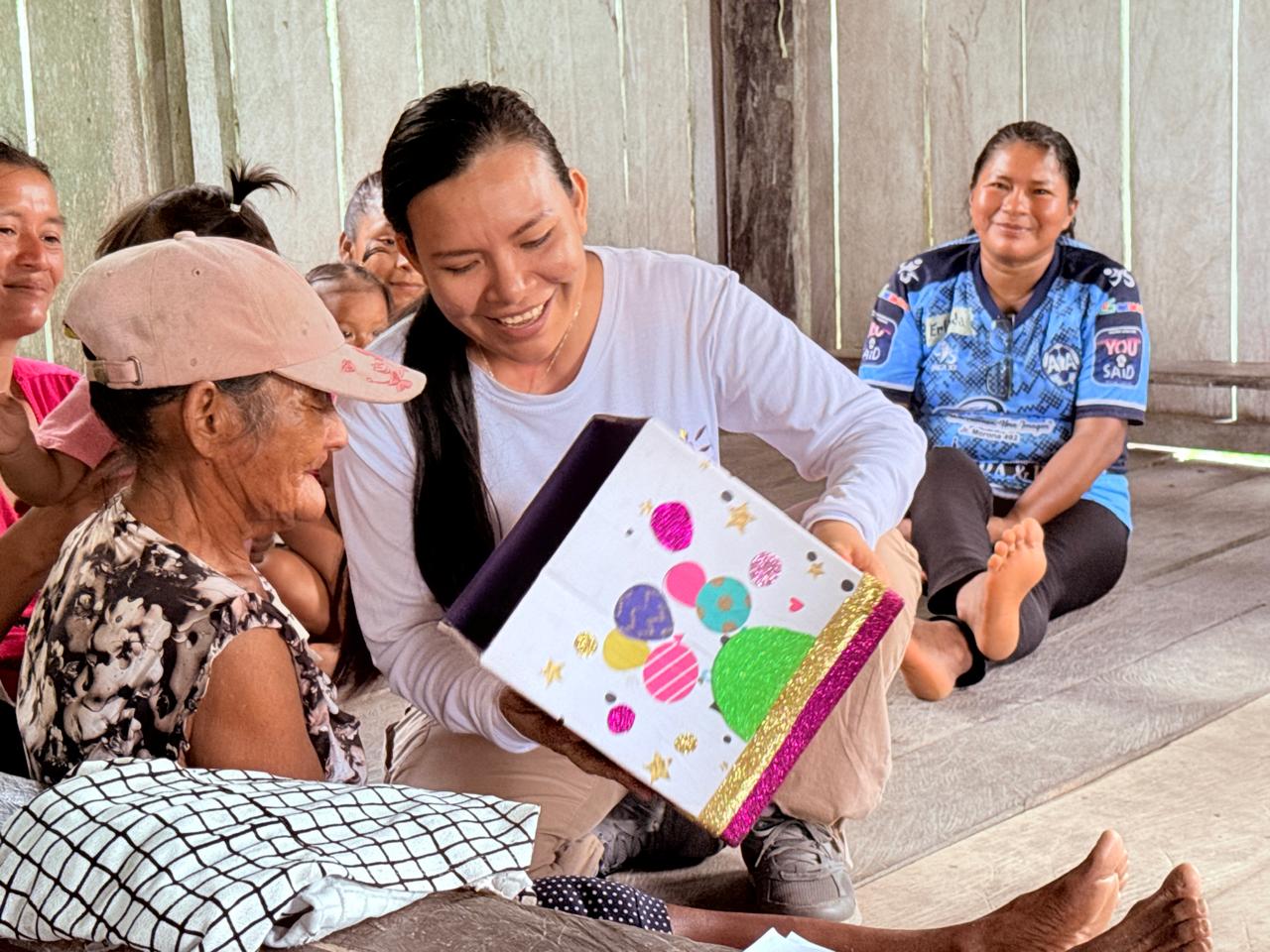
Although there are no communities within GGF’s forestry concessions, we work closely with 20 neighbouring communities. These relationships are fundamental to our long-term conservation and economic development objectives. We share many challenges and a common interest in maintaining the ecological integrity of the forest whilst creating sustainable economic opportunities.
Our approach recognizes that communities must determine their own development priorities. Our role is to contribute technical knowledge, commercial experience, and market access to help translate their aspirations into viable enterprises. In addition to supporting community formalization and land-titling processes, GGF has committed to assisting in the development of at least one bioeconomy enterprise in each community with which we work.
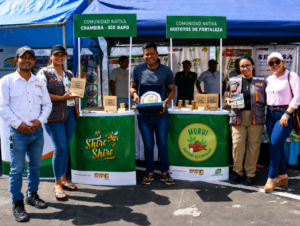
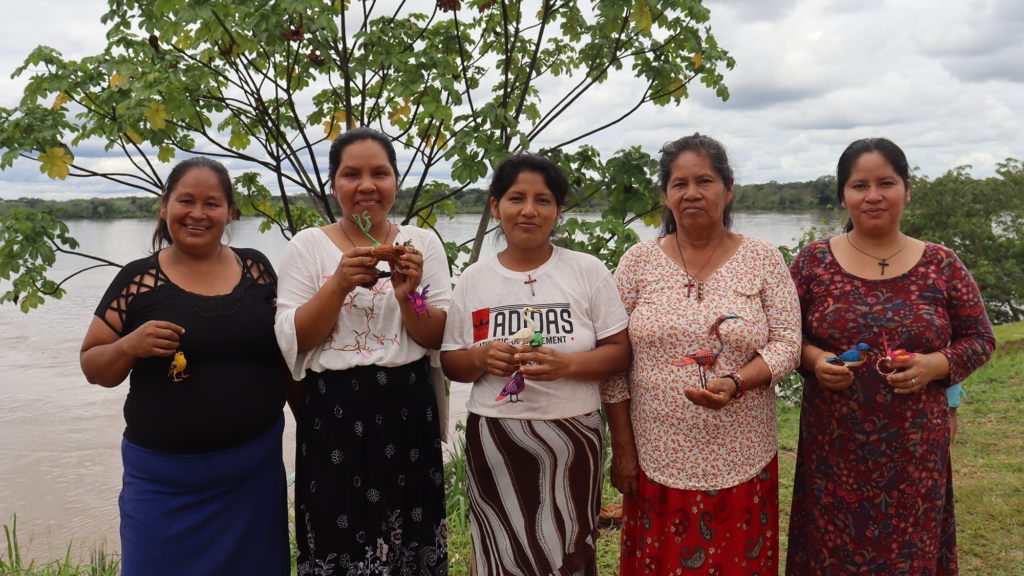
We are already seeing encouraging results. Two communities that traditionally produced cassava flour for local consumption are now selling their products in Lima, whilst a women’s artisan group has expanded from selling to passing tourists to reaching international customers. Although modest in scale, these initiatives demonstrate the potential for connecting traditional knowledge and local productive capacity with wider markets.
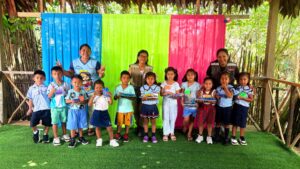
One challenge that particularly concerns me is the migration of young people from rural Amazonian communities to urban centers, often because they see few opportunities to build an economic future at home. Sustainable local enterprises can help address this by creating opportunities for young people to remain in their communities, develop professional skills, and contribute to their region’s economic development.
Rethinking the value of forests
Conservation and economic development are frequently presented as competing objectives. I believe one of the principal challenges facing the Amazon is demonstrating that, with appropriate management and investment, they can be mutually reinforcing.
Consider a regional economy of businesses using renewable energy, responsibly sourcing forest resources, processing products locally and reaching national and international markets. Some may be developed by GGF, others by communities, entrepreneurs, or investors.
What matters is that their commercial success reinforces, rather than undermines the conservation of the forest upon which they depend. Achieving this requires private capital, scientific knowledge, technology, responsible forest management and local entrepreneurship. It also demands investment in research, an acceptance of uncertainty, and commercial discipline.
Despite our years of experience in the Amazon, we recognise that we have only begun to understand the economic potential of a standing tropical forest and the ecosystem services it provides. For this reason, GGF is planning a Research and Development Centre to explore how science, technology and commercial innovation can generate sustainable value from tropical forests. Not every opportunity will be commercially viable, but developing the capacity to identify, evaluate and validate new possibilities is itself a strategic investment.
Ultimately, I believe the private sector has a broader role to play in forest conservation than simply mobilising finance to protect existing forests. Our ambition at GGF is to demonstrate that, through responsible investment, professional management, innovation and long-term commitment, the integrated management of forest resources and ecosystem services can provide the foundation for lasting economic development.
The real measure of our success will not simply be the area of forest we conserve, but our ability to build an economy in which the continued existence of that forest is fundamental to the prosperity of the businesses and communities that depend upon it.