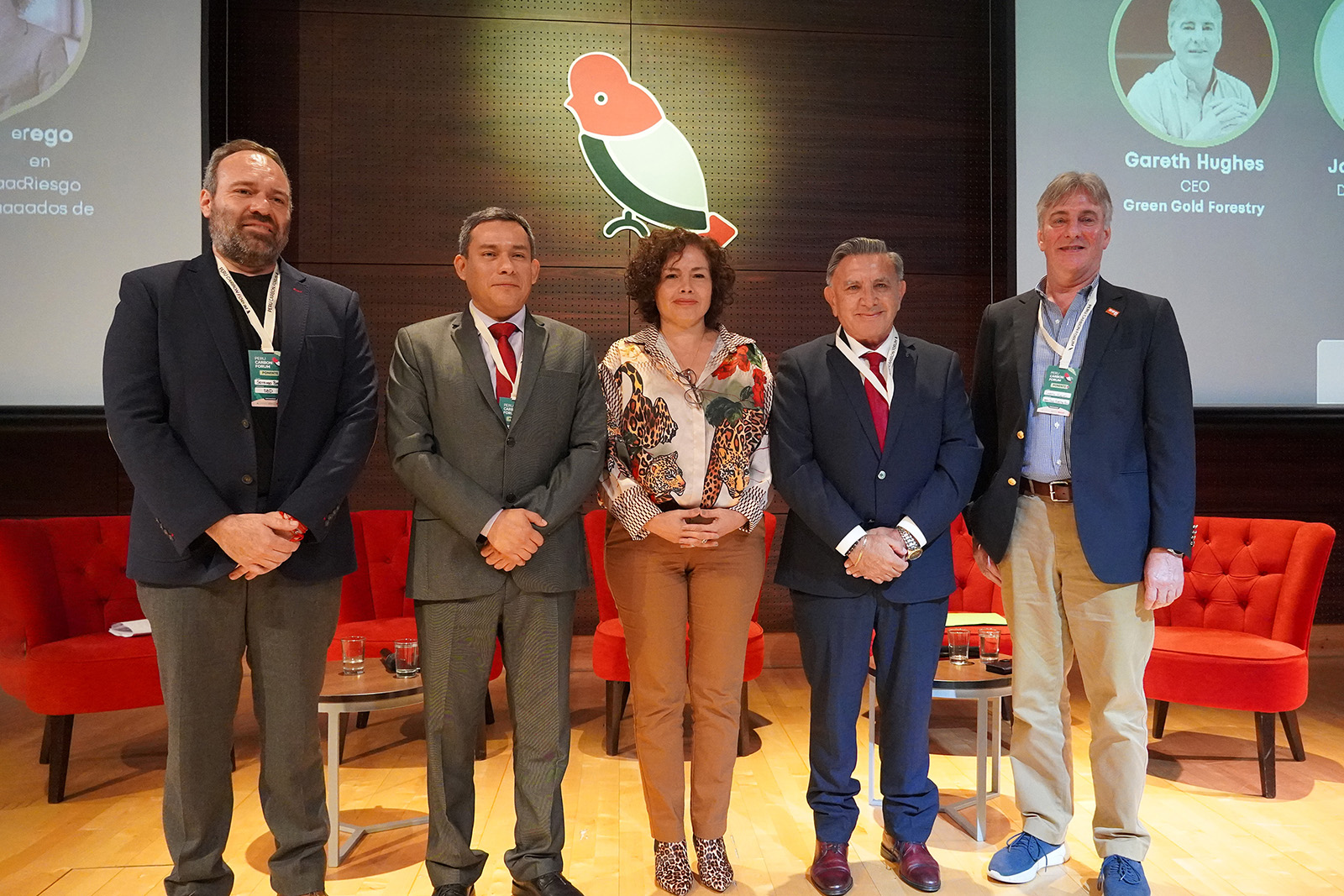

By Gareth Hughes, CEO of Green Gold Forestry
Article written for Stakeholders Magazine – Peru
The Peruvian Amazon is not only a treasure trove of biodiversity but also a powerful ally in the fight against climate change. However, this critical ecosystem faces unprecedented threats: deforestation, wildfires, and setbacks in policies that weaken its protection. If we want to conserve these forests and achieve the country’s carbon neutrality goals, we need practical, inclusive, and scalable solutions.
Now more than ever, it is urgent to turn our eyes to our tropical forests, which not only store billions of tons of carbon but also regulate rainfall across the continent, protect water sources, and sustain local and national economies. When we lose these forests, we not only release CO₂—we also disrupt the systems that sustain national development and the operational continuity of many companies. Protecting the Amazon is not charity. It is risk management.
The traditional conservation approach has proven insufficient in the face of the challenge’s magnitude. If we truly want to protect these forests in the long term, we must integrate their environmental value into the economic system, recognizing that the ecosystem services they provide are the country’s productive infrastructure. This means building models where conservation is profitable and viable for those who live and work in these territories.
A concrete example of this approach is the work we carry out at Green Gold Forestry (GGF). We start from a clear premise: forest that pays, stays. In other words, forest conservation must be economically viable for all actors involved: companies, communities, and investors. For this reason, we have transitioned more than 250,000 hectares of Amazon rainforest from timber use to carbon-based conservation. Through our Verra-certified carbon project, we generate high-quality Verified Carbon Units (VCUs) that allow companies to offset their emissions while protecting critical habitats and driving local development.
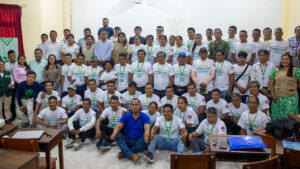
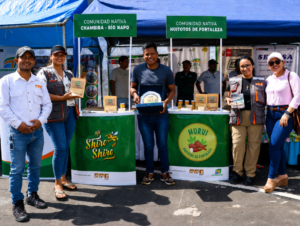
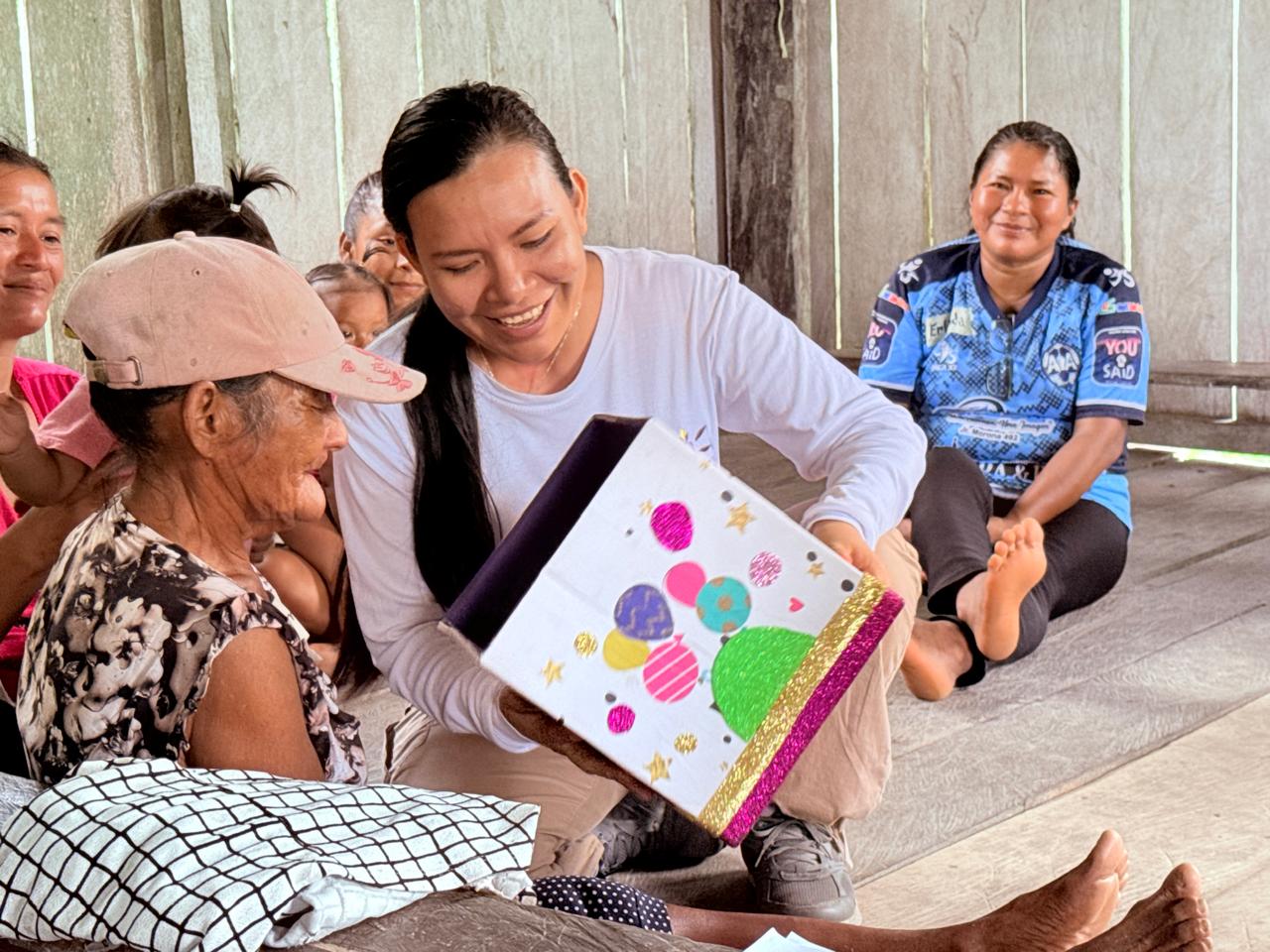
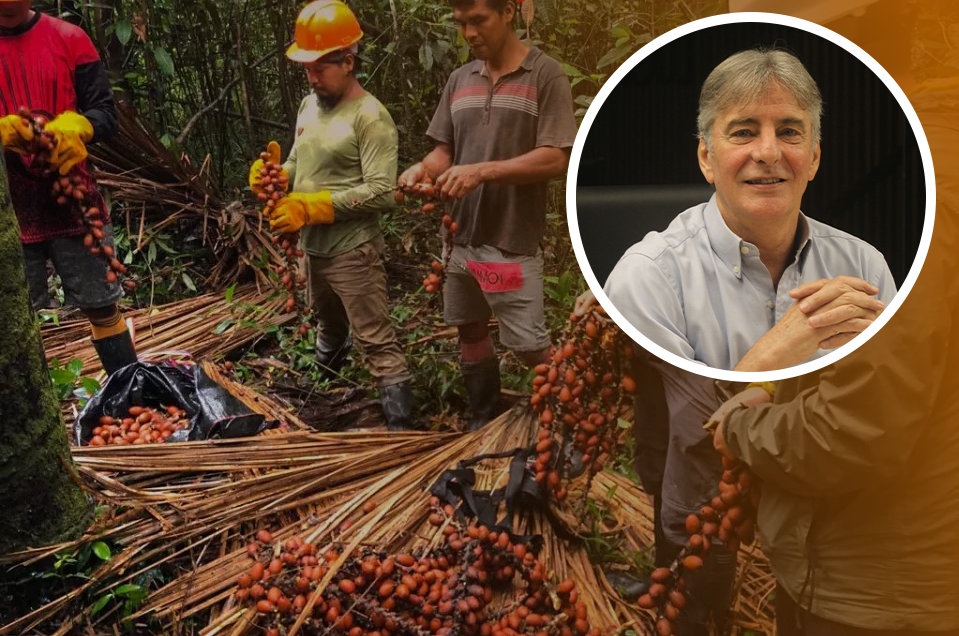
But carbon is only part of the equation. Effective climate action must also be inclusive. That is why we work directly with more than 18 Indigenous and local communities, benefiting over 4,000 people. Together, we co-design productive projects that connect conservation and economy: from aguaje harvesting and artisan crafts to sustainable agriculture. We aim to demonstrate that conserving does not mean stopping, but transforming. By strengthening land rights, providing technical assistance, and facilitating access to financing, we empower communities as long-term forest guardians.
Peru has before it a historic opportunity: to stop seeing its forests as a resource to be depleted and to start treating them as an opportunity for climate and social development. To achieve this, commitment from both the public and private sectors is essential. On one hand, the advancement of the state’s regulatory framework is crucial to ensure integrity, traceability, and transparency in carbon markets. On the other, the private sector has the opportunity to lead responsibly by supporting projects that guarantee quality, Indigenous inclusion, and real sustainability.
Peru’s transition toward carbon neutrality requires everyone’s commitment to chart a sustainable path forward. Forest-based solutions, such as those promoted by GGF, offer companies a concrete way to reduce emissions, manage risks, and contribute to national climate goals.
At Green Gold Forestry, we are proving that conservation can be good business, and that business, when well directed, can be a force for climate resilience, equity, and regeneration. The forest can pay. And it must, if we want to conserve it.
Read the article in Stakeholders Magazine (in Spanish) here.